


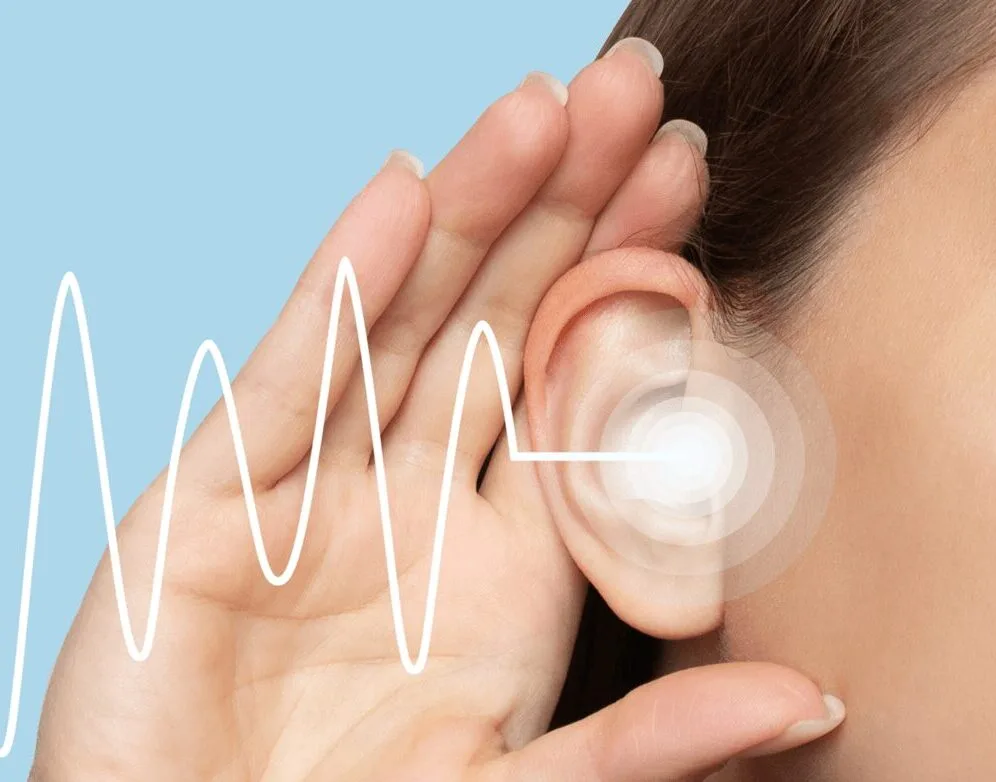
Hearing loss may seem to many like a simple issue — “I just don’t hear very well.” But in reality, it is a serious condition that triggers a domino effect throughout the body. One stone falls, and many health problems follow. Let’s be honest: not hearing well is not just about the ears — it’s about overall quality of life.
What Is Hearing Loss and Why Should It Be Taken Seriously?
A brief explanation of hearing loss
Hearing loss is a condition in which sounds are partially or completely not perceived. Because it develops gradually, it is often noticed too late.
The difference between temporary and permanent hearing loss
Temporary hearing loss is usually related to infections or earwax. Permanent hearing loss occurs due to damage to the inner ear or auditory nerve and is irreversible.
How Does Hearing Loss Affect the Brain?
Reduced brain stimulation
When a person cannot hear well, the brain becomes “lazy.” As sound impulses decrease, certain brain areas become less active.
The concept of sensory deprivation
This means the brain does not receive sufficient sensory input. The result is weakened memory, attention, and thinking abilities.
The Link Between Hearing Loss and Dementia
What do scientific studies say?
Studies show that people with hearing loss have a significantly higher risk of dementia compared to those with normal hearing.
Risk percentages and statistics
Mild hearing loss increases dementia risk by about 2 times, moderate loss by 3 times, and severe hearing loss by up to 5 times.
Alzheimer’s Disease and Hearing Loss
The mechanism of memory decline
The brain uses more energy to understand sounds, leaving fewer resources for memory. It’s like a phone battery draining too fast.
Depression and Psychological Disorders
Social isolation
People with hearing loss gradually withdraw from social life. Conversations become difficult, and being alone feels easier.
Anxiety and loss of self-confidence
The constant fear of “Did I hear that correctly?” creates ongoing stress.
Connection With Cardiovascular Diseases
Blood circulation and the inner ear
The inner ear is extremely sensitive. Poor circulation threatens both hearing and heart health.
Diabetes and Hearing Loss
The effect of diabetes on the ear
High blood sugar damages nerve endings, directly affecting the auditory nerve.
Balance Disorders and Risk of Falls
The role of the vestibular system
The ear is the center of balance. Older adults with hearing loss face a much higher risk of falls.
Speech and Communication Problems
Speech decline in adults
A person cannot pronounce correctly what they cannot hear properly.
Delayed speech development in children
If a child cannot hear, they cannot learn to speak.
Sleep Disorders
Brain overload and stress
Due to excessive strain during the day, the brain cannot fully rest at night.
Work Performance and Cognitive Decline
Lack of concentration
Meetings, phone calls, and tasks become more challenging.
What Diseases Can Hearing Loss Cause in Children?
Social and emotional development problems
Inability to express themselves leads to withdrawal and aggression.
Can Hearing Aids Reduce Disease Risks?
Benefits of early intervention
Yes! Hearing aids keep the brain active, restore social interaction, and reduce the risk of dementia.
How Can Hearing Loss Be Prevented?
Preventive measures
- Regular hearing tests
- Protection from loud noise
- Early diagnosis
When Should You See a Specialist?
Warning signs
- Frequently asking others to repeat
- Watching TV at high volume
- Difficulty with phone conversations
Conclusion
Hearing loss is not just an ear problem — it affects brain health, mental well-being, and overall quality of life. Early action, hearing tests, and the use of hearing aids when necessary can prevent serious diseases in the future. Remember: hearing means living.
Frequently Asked Questions (FAQ)
1. Can hearing loss lead to dementia?
Yes, especially if left untreated.
2. Do hearing aids reduce the risk of Alzheimer’s disease?
Studies indicate a positive effect.
3. Are these risks present in young people?
Yes, especially those exposed to long-term noise.
4. How long does a hearing test take?
Usually 15–20 minutes.
5. Can hearing loss be fully cured?
It depends on the cause, but in most cases it can be managed.