


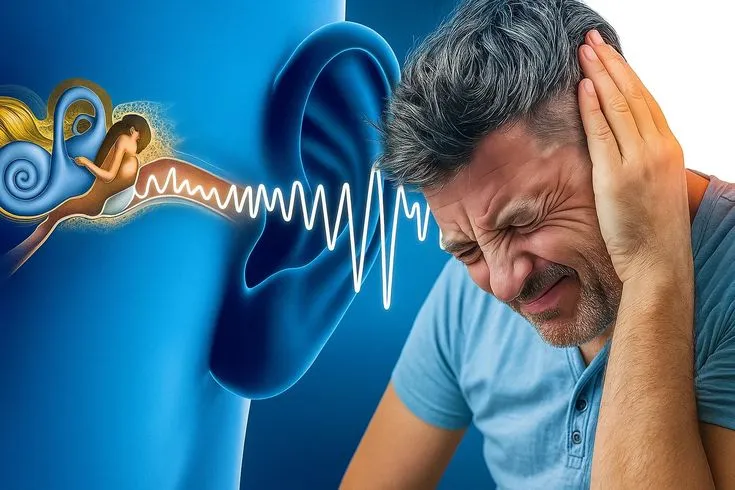
Causes of Ear Infections: Why Do They Occur and How Can They Be Prevented?
An ear infection is a health problem that almost everyone experiences at least once in their lifetime. Sometimes it passes with mild pain, but in other cases it can lead to serious hearing problems and even chronic complications. Is it right to say, “It’s just an earache”? Absolutely not. Because behind ear infections are often mistakes we make unknowingly, a weakened immune system, or other health issues.
In this article, we will explain the causes of ear infections in a detailed yet simple way. As you read, you will gain valuable information both for yourself and for your children.
What Is an Ear Infection?
An ear infection is an inflammatory condition caused by bacteria, viruses, or fungi in different parts of the ear (outer, middle, or inner ear). It is accompanied by pain, discharge, hearing loss, a feeling of fullness in the ear, and sometimes fever.
Think of the ear as a house: it has an entrance, corridors, and the most sensitive rooms. Depending on which part is affected, the symptoms vary.
Ear Anatomy and Susceptibility to Infection
Outer Ear
The outer ear consists of the auricle and the ear canal. Since it directly contacts water, dust, and microbes, it is the most exposed part to infections.
Middle Ear
The middle ear is located behind the eardrum and contains the hearing ossicles. Infections here usually develop after colds or upper respiratory tract infections.
Inner Ear
The inner ear is responsible for balance and hearing. Infections in this area are rarer but much more serious.
Main Causes of Ear Infections
1. Bacterial and Viral Infections
One of the most common causes. During flu, colds, and throat infections, microbes can travel from the nose and throat to the middle ear. This is especially common in children.
A child with a runny nose also has ears at risk — this should never be ignored.
2. Water Exposure and Moist Environment
Water remaining in the ear after swimming, showering, or being in the sea creates an ideal environment for bacteria. This often leads to outer ear infections known as “swimmer’s ear.”
Why Is It Dangerous?
Because a moist ear canal is an open invitation for microbes.
3. Improper Ear Cleaning
Cotton swabs are not friends of the ear — they are enemies. Instead of removing earwax, they push it deeper and can damage the ear canal.
The ear is a self-cleaning organ. The more we interfere, the more problems arise.
4. Weakened Immune System
People with weakened immunity (those who get sick frequently, individuals with diabetes, or people under constant stress) are more prone to ear infections.
Who Is at Risk?
- Children
- Elderly individuals
- People with chronic diseases
5. Allergies and Nasal Congestion
During allergies, swelling occurs in the nose and throat. This causes blockage of the Eustachian tube, leading to fluid accumulation in the middle ear and infection.
6. Damage to the Eardrum
Inserting hard objects into the ear, loud noises, trauma, or infections can damage the eardrum, making it easier for microbes to enter the middle ear.
7. Specific Causes of Ear Infections in Children
In children, the Eustachian tube is shorter and more horizontal, allowing infections to spread more easily. Additionally, kindergartens and schools are common sources of viruses.
Symptoms of Ear Infections
Symptoms in Children
- Frequent touching of the ear
- Crying and irritability
- Sleep disturbances
- Fever
Symptoms in Adults
- Ear pain
- Hearing loss
- Ear discharge
- Dizziness
What Happens If an Ear Infection Is Not Treated?
Untreated ear infections can become chronic, cause hearing loss, perforation of the eardrum, and in rare cases, allow the infection to spread to the brain.
It’s like a small spark turning into a large fire.
How Can Ear Infections Be Prevented?
Preventive Measures
- Dry ears after water exposure
- Avoid using cotton swabs
- Strengthen the immune system
- Manage allergies
- Seek medical attention on time
When Should You Definitely See a Doctor?
If ear pain lasts more than 2–3 days, or if there is discharge, fever, or hearing loss, it is essential to consult an ENT specialist or an audiologist.
Conclusion
Ear infections may seem minor, but they can lead to serious consequences. The key is understanding the causes, reducing risk factors, and taking timely action. Remember, hearing health is an essential part of quality of life. Protect your ears — because life is made of sound.
Frequently Asked Questions (FAQ)
1. Can an ear infection heal on its own?
In mild cases, yes, but medical supervision is often necessary.
2. Does ear pain always mean an infection?
No, dental, jaw, or throat problems can also cause ear pain.
3. Can ear infections cause hearing loss?
Yes, especially if left untreated or if they become chronic.
4. Are ear infections dangerous for children?
If untreated, they can negatively affect hearing and speech development.
5. Is it possible to completely prevent ear infections?
Not entirely, but proper hygiene and preventive measures can significantly reduce the risk.