


Practical Tips on Ear Hygiene
What Is Ear Hygiene and Why Is It So Important?
Ear hygiene is not just about cleanliness; it is one of the key factors in protecting hearing health. Many people believe that the cleaner the ear, the better. However, the interesting fact is that the ear is one of the few organs capable of protecting itself.
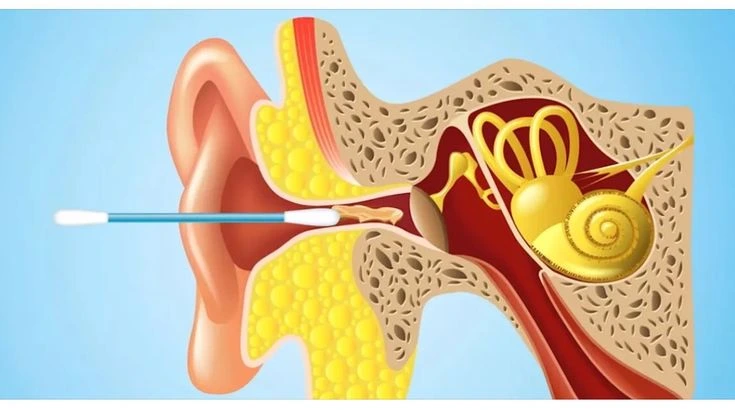
Ear Anatomy and the Self-Protection Mechanism
Earwax (medically known as cerumen) is a natural barrier that protects the ear canal from bacteria, dust, and foreign objects. During chewing and speaking, earwax gradually moves outward, cleaning the ear naturally.
Risks of Improper Ear Hygiene
If ear hygiene is not performed correctly, the following problems may occur:
- earwax buildup
- a feeling of blockage
- reduced hearing
- increased risk of ear infections
Balance is essential — neither excessive cleaning nor complete neglect.
What Is Earwax (Cerumen)?
Benefits of Earwax
Yes, earwax has benefits:
- provides antibacterial protection
- moisturizes the ear canal
- prevents dust and germs from entering
Is Earwax Harmful?
Only when it accumulates excessively. Otherwise, earwax is a natural protective mechanism.
How Should Ears Be Cleaned Properly?
Safe Methods at Home
Outer Ear Hygiene
It is sufficient to clean only the visible part of the ear with warm water and a soft towel. There is no need to go deep inside.
Ear Care After Showering
If water enters the ear:
- tilt your head to the sides
- gently dry with a soft towel
- never use hard objects
When Should You See a Doctor?
- feeling of ear blockage
- pain or discharge
- sudden hearing loss
In such cases, consult an audiologist or ENT specialist.
Cotton Swabs: Friend or Enemy?
Harm of Cotton Swabs
Cotton swabs do not clean the ears; instead, they:
- push earwax deeper
- may damage the eardrum
- increase infection risk
Safe Alternatives
- special ear sprays
- professional ear cleaning under medical supervision
- trusting the ear’s natural self-cleaning process
Common Mistakes in Ear Hygiene
Home Ear Irrigation Methods
Using syringes or strong water pressure can seriously damage the eardrum.
Using Sharp or Foreign Objects
Hairpins, matches, toothpicks — strictly prohibited.
Ear Hygiene in Children
Care for Infants and Young Children
Children’s ears are very sensitive. Cleaning the outer ear gently with a damp cotton pad is sufficient.
What Parents Should Know
- never insert objects deep into the ear
- avoid home treatments
- consult a specialist if pain occurs
Ear Hygiene for Adults and Elderly People
Age-Related Changes in the Ear
With age, earwax becomes drier and harder, increasing the risk of wax blockage.
Earwax Issues in the Elderly
An ear examination at least once a year is recommended.
Preventing Ear Infections
Preventive Hygiene Habits
- keep ears dry
- clean earphones regularly
- maintain general hygiene
Special Tips for Swimmers
After swimming, dry your ears thoroughly and use protective earplugs if necessary.
Ear Hygiene and Hearing Health
How Proper Care Protects Hearing
A clean and healthy ear transmits sound waves more effectively, improving hearing quality.
Preventing Hearing Loss
Proper ear hygiene is one of the key factors in preventing hearing loss.
Ear Hygiene for Hearing Aid Users
Connection Between Ear Cleanliness and Device Performance
Dirty ear canals reduce hearing aid performance and shorten device lifespan.
Daily and Weekly Care Tips
- clean the device daily
- keep the ear canal clean
- protect from moisture
Ear Hygiene Products
Sprays and Drops
Should only be used with a doctor’s recommendation.
Which Products Should Be Avoided?
Avoid alcohol-based and harsh chemical products.
Myths and Facts About Ear Hygiene
Myth: The Cleaner the Ear, the Better
Excessive cleaning weakens the ear’s natural protection.
Are Home Remedies Effective?
In most cases, no — and they can be dangerous.
Conclusion
Ear hygiene is a simple yet extremely important habit. With the right approach, you can protect your ears and hearing quality for many years. Remember, the ear knows how to protect itself — just don’t interfere.
Frequently Asked Questions (FAQ)
1. How often should ears be cleaned?
Daily outer ear hygiene is enough; deep cleaning only when necessary.
2. Are cotton swabs completely forbidden?
Yes, for the ear canal.
3. Can earwax reduce hearing?
Yes, when it accumulates excessively.
4. Can everyone use ear sprays?
No, only with medical advice.
5. How should children’s ears be cleaned?
Only the outer ear should be cleaned.