


What Is Hearing and Why Is It Important?
How the Ear Works
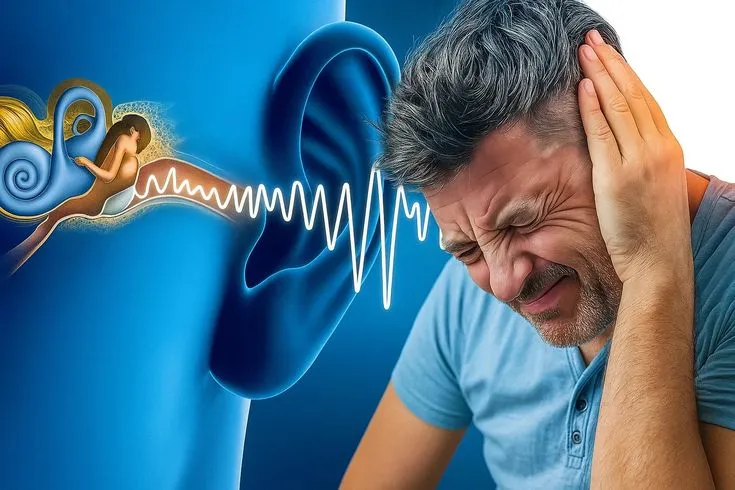
Let’s start with something simple—your ears are not just for hearing sounds; they’re complex biological systems that translate vibrations into meaningful information. When sound waves enter your ear, they travel through the ear canal, hit the eardrum, and then move tiny bones in the middle ear. These vibrations eventually reach the inner ear, where microscopic hair cells convert them into electrical signals sent to your brain.
Now here’s the catch—those hair cells are extremely delicate. Once damaged, they do not regenerate. That means any harm caused by loud sounds is often permanent. This is why hearing isn’t just another sense—it’s something you must actively protect.
Why Hearing Health Matters in Daily Life
Think about your everyday interactions—talking to loved ones, enjoying music, watching TV, or even crossing the street safely. Hearing plays a central role in all of these. When hearing starts to decline, it doesn’t just affect sound perception; it impacts communication, relationships, and even emotional well-being.
In fact, untreated hearing loss has been linked to social isolation, reduced productivity, and even cognitive decline. That’s why protecting your hearing today is an investment in your future quality of life.
What Is Considered a “Loud Sound”?
Understanding Decibels (dB)
Sound is measured in decibels (dB), and not all sounds are created equal. A whisper is around 30 dB, normal conversation is about 60 dB, but anything above 85 dB is considered harmful if exposure is prolonged.
Here’s where it gets tricky—decibels increase logarithmically, not linearly. That means a sound at 95 dB isn’t just a little louder than 85 dB—it’s significantly more intense and damaging.
Everyday Examples of Dangerous Noise Levels
You might think loud environments are rare, but they’re everywhere:
| Sound Source | Approximate dB Level | Risk Level |
|---|---|---|
| Traffic | 85 dB | Risky over time |
| Headphones (max volume) | 100–110 dB | Dangerous |
| Concerts/Clubs | 110–120 dB | Highly dangerous |
| Airplane takeoff | 110+ dB | Immediate risk |
Even something as common as listening to music with earbuds at full volume can silently damage your hearing over time.
The Global Risk of Hearing Loss
WHO Statistics on Hearing Loss
Hearing loss is no longer just an issue for older adults—it’s a global health concern. According to the World Health Organization, over 1 billion young people are at risk of permanent hearing loss due to unsafe listening habits.
By 2050, nearly 2.5 billion people are expected to experience some level of hearing loss. That’s not just a statistic—it’s a warning.
Why Young People Are at Risk
Younger generations are more exposed than ever:
- Constant headphone use
- Gaming with high volume
- Loud concerts and nightlife
- Urban noise pollution
Recent surveys even show that more than half of Gen Z have already experienced symptoms like tinnitus or temporary hearing loss due to loud sounds.
How Loud Sounds Damage Your Hearing
Inner Ear Hair Cells Explained
Inside your inner ear are tiny sensory cells called hair cells. These cells detect sound vibrations and send signals to your brain. However, when exposed to loud noise, these cells can bend, break, or die.
And here’s the harsh truth—once they’re gone, they’re gone forever.
Temporary vs Permanent Hearing Loss
You might have experienced ringing in your ears after a loud concert. That’s called temporary threshold shift. While it may go away, repeated exposure leads to permanent hearing loss.
Experts emphasize that continuous exposure to loud sounds can cause irreversible damage—even in young adults.
Common Causes of Noise-Induced Hearing Loss
Headphones and Earbuds
Let’s be honest—most people love listening to music loudly. But using headphones at high volume for long periods is one of the biggest modern risks. Many devices can exceed safe levels without any warning.
Work and Environmental Noise
Workplaces like construction sites, factories, or even busy offices can expose you to harmful noise levels daily. Around 22 million workers are exposed to hazardous noise each year.
Concerts and Nightlife
Concerts may be fun, but they’re also dangerous for your ears. Sound levels at these events often exceed 110 dB, which can cause immediate damage.
Early Signs You Should Not Ignore
Physical Symptoms
Your body gives warning signs before serious damage occurs:
- Ringing in the ears (tinnitus)
- Muffled hearing
- Sensitivity to sound
- Ear discomfort
Behavioral Signs
Sometimes, the signs are subtle:
- Asking people to repeat themselves
- Increasing TV volume constantly
- Difficulty understanding speech in noise
If these sound familiar, it’s time to act.
Long-Term Effects of Untreated Hearing Loss
Social and Psychological Impact
Hearing loss can isolate you. Conversations become frustrating, and social interactions feel exhausting. Over time, this can lead to anxiety and depression.
Cognitive and Health Risks
Studies show that untreated hearing loss is linked to cognitive decline and even dementia. It’s not just about hearing—it’s about brain health.
How to Protect Your Hearing Effectively
Safe Listening Rules
A simple rule to follow:
- 50/50 Rule: Listen at 50% volume for no more than 50 minutes at a time
Take breaks, reduce volume, and be mindful of your environment.
Protective Equipment
- Use earplugs in loud environments
- Choose noise-canceling headphones
- Avoid prolonged exposure
Prevention is always easier than treatment.
The Role of Regular Hearing Tests
Why Early Diagnosis Matters
Early detection can prevent further damage and improve treatment outcomes. Hearing tests are quick, painless, and extremely valuable.
Available Hearing Tests
- Audiometry
- Tympanometry
- OAE and BERA tests
Regular check-ups can make a huge difference.
About Our Hearing & Speech Center
Our Services
At our Hearing & Speech Center, we provide comprehensive solutions for hearing health:
- Professional audiometry and tympanometry tests
- Advanced hearing aid fitting
- Speech therapy services
- Modern Bluetooth and waterproof hearing devices
We don’t just diagnose—we guide you through every step of your hearing journey.
Why Choose Us?
- Personalized approach for each patient
- Latest hearing technologies
- Expert specialists
- Ongoing support and консультации
Your hearing deserves professional care, and we’re here to help you every step of the way.
Conclusion
Loud sounds are not just annoying—they’re dangerous. The damage they cause is often silent, gradual, and irreversible. But the good news? It’s preventable. By understanding the risks, recognizing early signs, and taking simple protective measures, you can safeguard your hearing for life.
FAQs
1. What volume level is safe for listening?
Anything below 85 dB is generally considered safe for prolonged exposure.
2. Can hearing loss from loud noise be reversed?
No, most noise-induced hearing loss is permanent.
3. How often should I get a hearing test?
At least once a year if you’re exposed to loud environments.
4. Are noise-canceling headphones safer?
Yes, they reduce the need to increase volume.
5. What should I do if I notice hearing problems?
Visit a hearing specialist immediately for evaluation.