


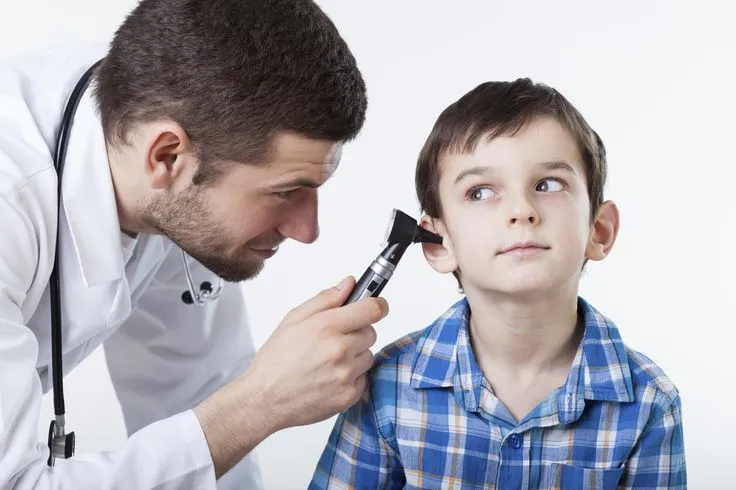
Hearing loss in children is far more common than many people believe. If not detected early, it can lead to serious speech, behavioral, and social development challenges. Especially during early childhood, hearing plays a critical role in the brain’s growth.
This comprehensive blog explains how to recognize hearing loss, which tests to undergo, and where to get the right support. We also discuss the specialized child-focused services provided by Avaz Hearing and Speech Center.
How common is hearing loss in children?
Research shows that 2–3 out of every 1,000 newborns have hearing loss. Among school-aged children, around 15% experience some degree of hearing difficulty.
How does hearing loss affect a child’s development?
Delayed speech development
A child who cannot hear clearly cannot learn words properly, leading to slow speech development and poor vocabulary.
Social and emotional challenges
Children with hearing difficulties may avoid social interaction because they struggle to understand others. This can harm their confidence.
Academic difficulties
If a child cannot hear the teacher clearly, they may miss important information, resulting in poor academic performance.
The importance of early detection
Early diagnosis = healthy development.
The earlier hearing loss is discovered, the easier it is to prevent speech and learning delays. Between ages 0–3, the brain forms its fastest auditory and language connections.
Warning signs parents should watch for
In newborns
- No reaction to loud sounds
- Makes eye contact but doesn’t turn toward sound
- Doesn't differentiate the mother's voice
- No babbling by 6 months
In toddlers (1–3 years)
- Late speech development
- Frequently saying “what?”
- Doesn’t respond when called
- Turns TV volume too high
In school-aged children
- Appears inattentive in class
- Struggles to understand speech
- Difficulty in noisy environments
- Withdraws from social situations
How is hearing loss diagnosed?
All tests are painless and safe.
Audiometry
Measures what frequencies the child can hear.
Tympanometry
Detects fluid, inflammation, or pressure changes in the middle ear.
OAE – Otoacoustic Emissions
Perfect for newborns. Measures tiny ear vibrations.
BERA / AABR
Measures brainwave responses to sound. Ideal for infants.
How Avaz Hearing & Speech Center tests children
Professional equipment and expert audiologists
Modern diagnostic devices ensure accurate results.
Child-friendly approach
Tests are performed in a playful, comforting manner.
Accurate diagnosis & treatment planning
The center provides both testing and tailored treatment plans.
What to do if hearing loss is detected?
The role of hearing aids
They support speech development and improve social functioning.
Early intervention programs
Personalized rehabilitation plans are created.
Speech therapy
If hearing loss affects speech, therapy is necessary.
Avaz Center provides professional speech therapists.
Services at Avaz Hearing & Speech Center
Hearing aids for children
Child-appropriate models are selected and fitted.
Speech therapy
Treats delays and articulation problems.
Continuous monitoring
Regular follow-ups, device adjustments, and hearing checks.
Why choose Avaz Center?
- Professional team
- Child-focused approach
- Accurate diagnostics
- Modern hearing aids
- Speech therapy and audiology together
Conclusion
Early detection of hearing loss is essential for a child’s speech, social, and academic development. Contact a specialist even if you have the slightest suspicion.
Avaz Hearing and Speech Center is your trusted partner in early diagnosis and rehabilitation.
FAQ
- My child watches TV at very high volume. Is this a sign?
Yes, it’s one of the main indicators. - When should the first hearing test be done?
Within the first month after birth. - Do hearing aids harm development?
No, they help development. - Are the tests painful?
Not at all — fully safe. - Can speech delay be caused by hearing loss?
Yes, very often.