


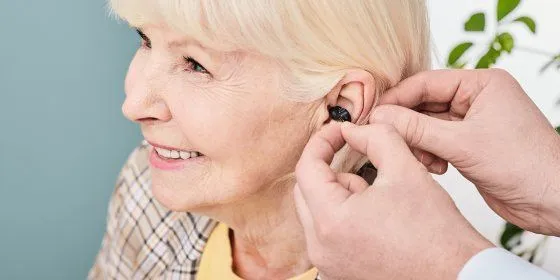
Hearing loss can seriously affect people's daily lives, communication, work activities, and social relationships. When a person does not fully hear spoken words, they distance themselves from communication over time, their self-confidence decreases, and their quality of life drops. Fortunately, modern hearing devices help eliminate a large part of these problems.
However, buying a hearing aid does not simply mean going to a store and choosing any model. Every person's hearing loss is different, and a device that is not correctly chosen may not only fail to provide the expected result but also cause dissatisfaction for the user.
For this reason, it is necessary to pay attention to a number of important points before purchasing a hearing device. In this article, we will provide detailed answers to questions such as how a hearing aid is selected, which features are important, what affects the price, and why after-sales service is important.
Why is Choosing the Right Hearing Aid Important?
A hearing aid is not just a device that amplifies sound. Modern hearing devices analyze sounds in the environment, reduce unnecessary noise, bring speech to the forefront, and provide the user with a more natural hearing experience.
An incorrectly chosen device can cause the following problems:
- Inability to distinguish speech in noisy environments
- A feeling of discomfort in the ear
- Whistling sounds (feedback)
- Headaches and fatigue
- The desire to stop using the device
- Additional financial loss
Therefore, when choosing a hearing device, it is necessary to pay attention not only to the price but also to functionality, the level of hearing loss, and expert recommendations.
1. You Must Undergo a Hearing Test Before Buying a Hearing Aid
One of the biggest mistakes people who want to buy a hearing aid make is trying to purchase a device without being examined beforehand. In fact, the right choice begins with a hearing test.
Why is Audiometry Important?
Audiometry is the main diagnostic examination that measures hearing levels at various frequencies. As a result of this test, the audiologist obtains the following information:
- Is there hearing loss?
- In which ear is the problem more severe?
- What is the degree of the loss?
- At which frequencies has hearing weakened?
- Which type of hearing aid is more suitable?
A device chosen without this information is considered a random choice.
The advantages of audiometry:
- ✔ An accurate diagnosis is made.
- ✔ A suitable hearing device is selected.
- ✔ Future changes in hearing are monitored.
- ✔ Unnecessary expenses are prevented.
Why Should Tympanometry Be Performed?
Sometimes the problem is not in the auditory nerve but in the middle ear. For example:
- Fluid accumulation in the ear
- Inflammation
- Eardrum problems
- Pressure disorders
In these cases, a hearing device may not even be necessary. This is precisely why it is recommended to perform a tympanometry examination along with audiometry.
Expert Examination Forms the Basis of the Choice
An experienced audiologist does not only look at the test results. He or she also takes into account:
- your age,
- your lifestyle,
- the environment you work in,
- your daily level of communication,
- your hearing expectations.
Based on this information, a device suitable for you is programmed. Such an individual approach both increases the ease of use and helps to obtain maximum benefit from the device.
2. Choose a Hearing Aid According to Your Needs
There are dozens of different models on the market. They may all look the same, but their functions and areas of use differ significantly. The best hearing device is not the same for everyone. The best choice is the device that suits your hearing loss level and your daily life.
Behind-the-Ear (BTE) Hearing Aids
These models are considered the most used hearing devices in the world.
Advantages:
- Powerful sound output
- Suitable for severe hearing losses
- Battery life is longer
- It is easy to clean
- It has a more durable construction
These types of devices are especially recommended for children, elderly people, and individuals with high-degree hearing loss.
In-the-Ear (ITE, ITC, CIC) Hearing Aids
These models are placed inside the ear canal and stand out with their aesthetic appearance.
Advantages:
- Less visible from the outside.
- They are lighter.
- Comfortable for glasses users.
- Creates comfort in telephone conversations.
However, these devices may not be suitable for every hearing loss. Therefore, the choice must definitely be made with the recommendation of an audiologist.
Your Lifestyle Affects the Choice
Ask yourself these questions:
- Do I communicate with many people during the day?
- Do I often talk on the phone?
- Do I participate in business meetings?
- Do I work in a noisy environment?
- Do I love listening to music?
- Do I exercise?
The answers to these questions directly affect the technology of the device you will choose. For example, for a user working in an office environment, a model that increases the clarity of speech and has a Bluetooth connection may be more suitable. For people leading an active lifestyle, models resistant to water and dust are a more practical choice.
3. Pay Attention to the Technology of the Hearing Aid
Modern hearing devices are completely different from previous generation models. They do not just amplify sound; they analyze the environment, bring speech to the forefront, and provide the user with a more natural hearing experience. When buying a hearing aid, it is recommended to pay attention to the following technologies:
- Bluetooth connection: Thanks to the Bluetooth function, it is possible to connect the hearing device directly to a smartphone, tablet, or television. This allows phone calls to be transmitted directly to the hearing device and enables listening to music and videos more clearly.
- Noise reduction technology: New generation devices reduce background noise, bring human speech to the forefront, and filter out unnecessary sounds.
- Rechargeable hearing aids: In modern models, internal lithium-ion batteries are used. The cost of buying batteries is reduced, and it is possible to use it all day with a single overnight charge.
- Artificial intelligence support: AI technology is applied in the latest generation hearing devices. This system recognizes the environment the user is in, automatically changes sound parameters, and makes speech clearer.
- Water and dust resistance: If you lead an active lifestyle, such devices are more resistant to perspiration, are more long-lasting in daily use, and the risk of technical malfunctions decreases.
4. Which Hearing Aid Brand is More Appropriate to Choose?
When buying a hearing aid, one of the most important issues is the choice of a reliable brand. Manufacturers whose reliability has been proven by many years of use worldwide provide higher performance and long-term usage possibilities.
Phonak Hearing Aids
Phonak is one of the world's leading hearing device manufacturers.
Advantages: High speech clarity, artificial intelligence support, Bluetooth connection, possibility of management via mobile application, and a wide selection of rechargeable models.
Helix Hearing Aids
Helix hearing devices are one of the successful choices in terms of price and functionality.
Advantages: Affordable price, comfortable use, sufficient functions for daily needs, and models suitable for various hearing loss levels.
5. What Affects the Price of a Hearing Aid?
One of the most frequently asked questions on Google is this: "Why are hearing aids sold at different prices?" In fact, there are several main factors affecting the price:
- Technology level: As functions such as artificial intelligence, Bluetooth, automatic programs, and noise reduction increase, the price of the device also rises.
- Hearing loss degree: The technical capabilities of a device intended for mild hearing loss are different from a device produced for severe hearing loss.
- Battery-operated or rechargeable model: Although rechargeable models seem more expensive at first glance, they are considered a more cost-effective choice in the long run because they reduce battery costs.
- Additional functions: Bluetooth, mobile application, automatic programs, noise filters, artificial intelligence, two-way communication, and TV connection directly affect the price.
6. Why is it Important to Buy a Hearing Aid from an Official Distributor?
Some people prefer to buy hearing devices over the internet at a lower price or from unofficial sellers. However, this choice can later cause serious problems.
Advantages of the official distributor:
- ✔ You obtain an original product;
- ✔ You benefit from the manufacturer's warranty;
- ✔ You receive professional programming services;
- ✔ You obtain technical service support;
- ✔ You are provided with spare parts;
- ✔ Your device is regularly checked and adjusted.
Risks of fake hearing devices: They may distort sound, may not improve hearing quality, may cause discomfort in the ear canal, may fail quickly, and do not provide a manufacturer's warranty.
7. After-Sales Services are an Integral Part of the Choice
The work does not end after buying a hearing aid. On the contrary, regular support is important for the long-term and effective use of the device.
Quality after-sales service includes the following:
- programming the device;
- re-adjusting it according to the hearing test;
- technical inspection;
- changing filters and accessories;
- advice regarding usage rules;
- updating software when needed.
Conclusion
Buying a hearing aid is an important decision that affects your long-term health and quality of life. A correctly chosen hearing device facilitates daily communication, helps you participate more actively in social life, and increases hearing comfort.
Before making a decision, it is essential to undergo a professional hearing test, listen to the audiologist's recommendation, and choose the model that suits your needs. The technology, ease of use, warranty, and after-sales services of the device should also be considered during the selection. If you want to buy a hearing aid, pay attention not only to the price but also to the quality, originality of the device, and the support offered to you.
Why Should You Choose Avaz Hearing and Speech Center?
At Avaz Hearing and Speech Center, an individual approach is applied for each user. The choice of a hearing aid is not limited only to the sale of the device – the goal is to provide the most suitable solution for the user's hearing needs.
The following are offered to you at the center:
- Professional audiometry and tympanometry examinations
- Consultation with experienced audiologists
- Selection of a hearing device according to your needs
- Original Phonak and Helix hearing devices
- Individual programming of the device
- Technical service and after-sales support
- Guaranteed products
- Installment payment options (depending on existing campaigns)
If you hesitate in choosing the right hearing device, it is recommended to undergo a professional examination first. This helps both in making the right choice and in preventing unnecessary expenses.
Frequently Asked Questions (FAQ)
Is a doctor's examination essential beforehand to buy a hearing aid?
Yes. Hearing loss can occur for various reasons. Audiometry and tympanometry examinations help evaluate the hearing loss and select the appropriate hearing device.
What do hearing aid prices depend on?
Prices vary depending on the technology of the device, Bluetooth function, artificial intelligence support, whether it is rechargeable or battery-operated, as well as the power intended for the hearing loss.
Which is the best hearing aid?
There is no "best" model that is the same for everyone. The most suitable hearing device is the model chosen according to your hearing level, lifestyle, and daily needs.
What is the advantage of a hearing device with a Bluetooth function?
Bluetooth technology transmits phone calls, music, and other audio content directly to the hearing device, creating a more comfortable usage opportunity.
How many years is a hearing aid used?
With proper care and regular technical maintenance, hearing devices can usually be used for 5–7 years, and in some cases even longer.
Is a rechargeable or a battery-operated model better?
This choice depends on the user's needs. Rechargeable models hold an advantage in terms of daily comfort and long-term savings.
Are the same hearing devices used for children and the elderly?
No. The device choice is made by taking into account the user's age, the degree of hearing loss, and individual needs.
How long does it take to get used to a hearing device?
In the first few days, sounds may feel different. Most users adapt to using the device within 2–6 weeks. During this period, it is important to follow the audiologist's recommendations.