


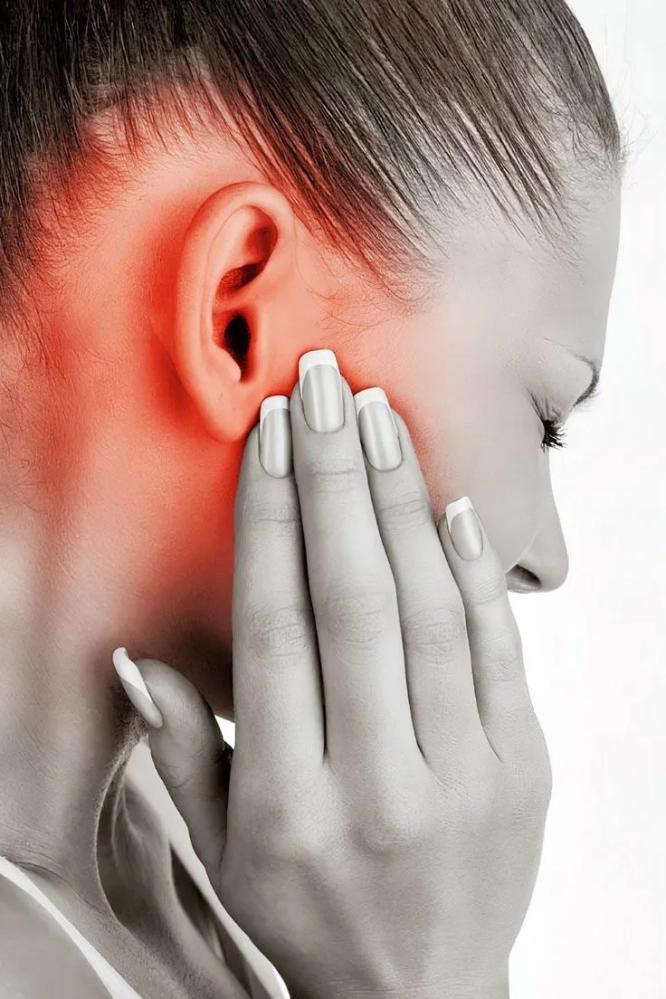
Why Does Ringing in the Ears Occur? Causes, Treatment, and Prevention
Persistent or occasional ringing, buzzing, whistling, humming, or other sounds in the ears are among the common problems experienced by many people. In medicine, this condition is known as tinnitus.
Sometimes these sounds are noticeable only in quiet environments, while in other cases they can become so intense that they negatively affect a person's daily life, sleep quality, and psychological well-being.
If you are looking for answers to questions such as "Why does ringing in the ears occur?", "Is tinnitus dangerous?", "How can ringing in the ears be treated?" or "What causes a whistling sound in the ear?", this article explains all of these topics in detail.
What Is Tinnitus?
Tinnitus is the perception of various sounds when there is no external sound source present.
These sounds may be experienced in different forms, including:
- Ringing
- Whistling
- Humming
- Buzzing
- Bell-like sounds
- Electrical noise-like sounds
- Wave or wind-like sounds
These sounds may be perceived in one ear, both ears, or as if they are coming from inside the head.
Tinnitus is not a disease itself. It is generally considered a symptom of another underlying condition.
Why Does Tinnitus Occur?
There are dozens of possible causes of tinnitus. In some cases, the problem is temporary, while in others it may persist for a long time.
1. Hearing Loss
One of the most common causes is hearing loss.
As people age or are exposed to loud sounds for extended periods, the cells of the inner ear can become damaged. When this happens, the brain attempts to compensate for the missing sound signals, which may result in tinnitus.
If you experience tinnitus along with turning up the television volume, asking people to repeat themselves, or difficulty hearing in crowded environments, these may be signs of hearing loss.
2. Earwax Buildup
Many people do not realize that excessive earwax accumulation can interfere with hearing.
Blockage of the ear canal may lead to:
- Tinnitus
- A feeling of fullness in the ear
- Reduced hearing
- Dizziness
Earwax should not be removed at home using cotton swabs. Doing so may push the wax deeper into the ear canal and worsen the problem.
3. Exposure to Loud Noise
Concerts, weddings, factories, construction sites, or prolonged listening to loud music through headphones can damage the cells of the inner ear.
Although this damage may sometimes be temporary, prolonged exposure can lead to permanent tinnitus and hearing loss.
4. Stress and Anxiety
Stress can both contribute to the development of tinnitus and make existing symptoms more noticeable.
When a person is under stress, the brain becomes more sensitive to sound signals, and even weak signals that would normally go unnoticed may be perceived as noise.
For this reason, many people report that their tinnitus becomes more noticeable during stressful periods or emotional difficulties.
5. Blood Pressure Problems
High blood pressure can affect the functioning of blood vessels.
As a result, a person may experience:
- Noise synchronized with the heartbeat
- Pulsating sounds
- A throbbing sensation in the ear
In such cases, both the auditory system and the cardiovascular system should be evaluated.
6. Middle Ear Infections
During an ear infection, fluid accumulation can interfere with the transmission of sound.
As a result, the following symptoms may occur:
- Tinnitus
- Ear pain
- Hearing loss
- Increased body temperature
In most cases, tinnitus resolves once the infection has been successfully treated.
7. Ménière’s Disease
This condition develops as a result of an imbalance of fluid within the inner ear.
Its main symptoms include:
- Tinnitus
- Dizziness
- Hearing loss
- A feeling of fullness in the ear
This condition requires medical evaluation and ongoing supervision by a healthcare professional.
8. Side Effects of Certain Medications
Some antibiotics, high doses of aspirin, certain diuretics, and other medications may cause tinnitus.
You should never stop taking a prescribed medication without consulting your doctor first.
What Conditions Can Tinnitus Be a Sign Of?
Tinnitus can sometimes be the first sign of the following conditions:
- Hearing loss
- Inner ear disorders
- Middle ear infections
- Blood pressure problems
- Cervical osteochondrosis
- Temporomandibular joint (TMJ) disorders
- Vascular diseases
- Neurological disorders
- Acoustic neuroma (in rare cases)
For this reason, tinnitus that persists for a long time should always be thoroughly evaluated.
How Is Tinnitus Diagnosed?
The doctor first listens to the patient's complaints and medical history, and then may recommend a number of diagnostic tests.
The most important examinations include:
- Audiometry (hearing test)
- Tympanometry
- Ear examination
- MRI or CT scan when necessary
- Blood tests
It is not recommended to begin treatment before an accurate diagnosis has been established.
How Is Tinnitus Treated?
The treatment of tinnitus depends on its underlying cause.
If the cause is:
- Earwax buildup — the earwax is removed;
- An infection — appropriate treatment is provided;
- Blood pressure issues — blood pressure is brought under control;
- Hearing loss — a hearing aid may be recommended.
In many cases, a properly fitted hearing aid not only improves hearing but can also significantly reduce the perception of tinnitus. Modern Bluetooth-enabled hearing aids may also include tinnitus masking programs designed specifically for people who experience ringing in the ears.
Can Tinnitus Be Reduced at Home?
Although complete treatment depends on the underlying cause, the following recommendations may help reduce tinnitus symptoms:
- Avoid exposure to loud noise.
- Do not use headphones for extended periods.
- Manage stress effectively.
- Reduce caffeine consumption.
- Get sufficient sleep.
- Keep your blood pressure under control.
- Avoid smoking.
When Is Tinnitus Dangerous?
You should seek medical attention without delay in the following situations:- If the tinnitus starts suddenly.
- If it occurs in only one ear.
- If hearing suddenly becomes worse.
- If severe dizziness is present.
- If blood or pus is coming from the ear.
- If the sound occurs in the same rhythm as your heartbeat.
These symptoms may be signs of serious underlying medical conditions.
Can Tinnitus Be Prevented?
Although it is not always possible to completely prevent tinnitus, the risk of developing it can be significantly reduced.
To help protect your hearing:
- Avoid exposure to loud noise.
- Use hearing protection when necessary.
- Have your hearing checked regularly.
- Keep your blood pressure under control.
- Maintain a healthy diet.
- Stay physically active.
- Reduce stress levels.
Conclusion
Tinnitus is a condition that can reduce a person's quality of life, but in most cases its underlying cause can be identified and effectively managed. Sometimes tinnitus is caused by something as simple as earwax buildup, while in other cases it may be a sign of hearing loss, ear disorders, or other health conditions.It is not advisable to ignore tinnitus that persists for a long period of time or significantly affects daily life.
If you experience ringing, buzzing, humming, whistling, or other unusual sounds in your ears, it is recommended that you undergo audiometry and tympanometry testing as soon as possible. Early diagnosis can help protect your hearing, identify the cause of tinnitus, and ensure that appropriate treatment begins at the right time.
Healthy hearing is an important part of a high-quality life. Paying attention to your hearing health today can help prevent more serious problems in the future.
Frequently Asked Questions
- Can tinnitus go away on its own?
- Does tinnitus mean hearing loss?
- Which doctor should I see for tinnitus?
- Can a hearing aid reduce tinnitus?
- Is tinnitus dangerous?